- Your cart is empty
- Continue Shopping


Wound Care Products Comparison: Efficiency and Use

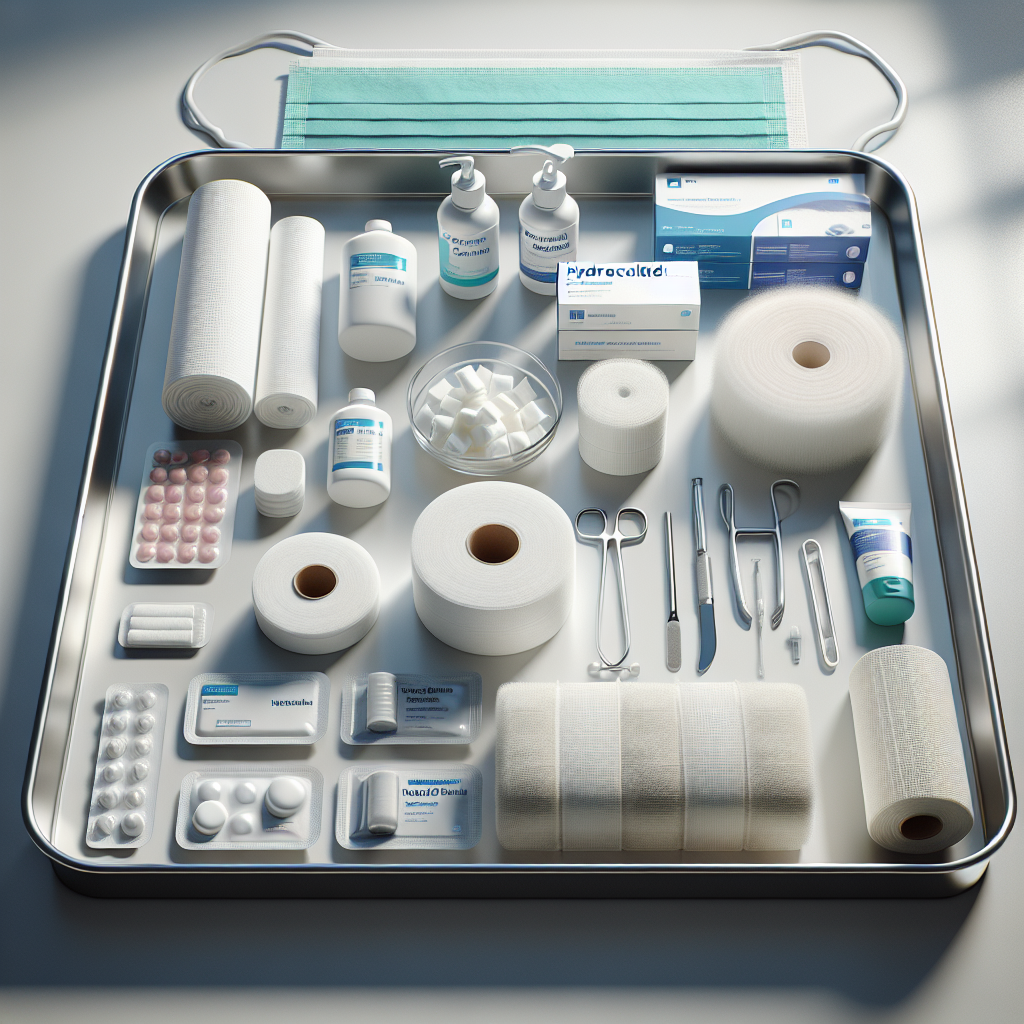
Key Takeaways
- Wound care products such as gauze, hydrocolloid, and foam dressings serve distinct roles based on wound type and healing requirements.
- Choosing the right dressing involves evaluating factors including absorbency, protection, patient comfort, and cost-effectiveness.
- Advancements in wound care materials improve healing outcomes and reduce infection risks.
- Balancing clinical effectiveness with economic considerations optimizes wound management strategies.
- Patient comfort and ease of application are critical in selecting appropriate wound care products.
Introduction
Effective wound care is essential for optimal healing and minimizing complications such as infections or delayed recovery. With numerous products available on the market, healthcare professionals and patients alike must understand the specific attributes, advantages, and limitations of common wound dressings. This article provides an in-depth comparison of gauze, hydrocolloid, and foam dressings, highlighting their efficiency, appropriate use cases, and recent advancements within the wound care field. Armed with this knowledge, clinicians can make informed decisions that enhance patient outcomes while considering cost-effectiveness and comfort factors.
Moreover, we explore the latest developments in wound care materials and technologies to appreciate how innovation supports better healing and patient compliance. Integrating these insights with practical cost and effectiveness analyses positions this guide as a valuable resource for both clinical and home care settings.
Comparing Common Wound Care Products
Gauze Dressings
Gauze remains one of the most traditional and widely used wound dressings. It consists of woven or non-woven cotton and is valued for its affordability, availability, and versatility.
- Use Cases: Suitable for cleaning wounds, providing a protective barrier, and absorbing moderate wound exudate.
- Advantages: Easy to apply and remove; can be used with antiseptics; cost-effective.
- Limitations: Can adhere to wound bed causing trauma on removal; requires frequent changes; less effective in maintaining a moist wound environment.
Hydrocolloid Dressings
Hydrocolloid dressings are occlusive or semi-occlusive, promoting a moist wound environment conducive to healing.
- Use Cases: Ideal for low to moderately exuding wounds such as pressure ulcers, minor burns, and surgical wounds.
- Advantages: Supports autolytic debridement; maintains moisture balance; reduces pain during changes.
- Limitations: Not suitable for heavily exuding or infected wounds; more expensive than gauze.
Foam Dressings
Foam dressings combine absorbency and cushioning, making them versatile for a variety of wound types.
- Use Cases: Best used for moderate to heavily exuding wounds, pressure ulcers, and diabetic foot ulcers.
- Advantages: High absorbency; thermal insulation; non-adherent; promotes patient comfort.
- Limitations: Generally more expensive; may require secondary securement depending on type.
Advancements in Wound Care Materials
Recent innovations have focused on enhancing healing efficacy while improving patient experience. These include antimicrobial dressings impregnated with silver or iodine, bioengineered skin substitutes, and dressings incorporating sensors to monitor wound status. The integration of such advanced materials aims to reduce infection rates and accelerate recovery.
Understanding these developments enables clinicians to incorporate cutting-edge options when standard dressings do not suffice. For a detailed review of emerging products and cost considerations, refer to our comprehensive 2026 Wound Care Products: Effectiveness & Cost Analysis.
Evaluating Cost-Effectiveness Versus Clinical Effectiveness
When selecting wound care products, balancing clinical benefits and budgetary constraints is crucial. While advanced dressings often carry higher upfront costs, their ability to promote faster healing and reduce complications can translate into lower overall treatment expenses and hospital stays.
Conversely, basic dressings like gauze may be suitable for minor wounds or short-term use but may increase risk of delays or infections in more complex cases, potentially incurring additional costs. Incorporating analysis from resources like the Advanced Wound Care Products Comparison 2026 Guide can assist decision-makers in selecting cost-effective yet clinically efficient solutions.
Patient Comfort and Healing Outcomes
The best wound care product is one that not only promotes rapid healing but also ensures patient comfort to encourage adherence. Foam and hydrocolloid dressings generally outperform gauze in terms of pain reduction and ease of use during dressing changes.
Moreover, dressings that maintain a moist wound environment typically facilitate faster epithelialization and reduce scarring. Educating patients on proper wound care and involving them in product selection enhances engagement and improves healing trajectories.
Conclusion
Selecting the appropriate wound care product requires a nuanced understanding of wound types, dressing characteristics, patient needs, and cost factors. Gauze remains a reliable option for simple, low-risk wounds, whereas hydrocolloid and foam dressings provide advanced benefits for moderate to complex wounds. Staying informed about recent advancements and integrating clinical and economic evaluations can dramatically improve wound management outcomes.
For healthcare professionals seeking to deepen their knowledge and optimize care protocols, exploring related topics such as the Medical Gloves 2026: Material, Durability & Usage Guide offers valuable complementary insights into comprehensive infection control and safety practices.
Frequently Asked Questions
What factors should I consider when choosing a wound dressing?
Consider the wound’s size, type, and exudate level, patient comfort, risk of infection, healing stage, and budget. Each dressing type offers specific benefits tailored to these factors.
Are hydrocolloid dressings suitable for infected wounds?
Hydrocolloid dressings are generally not recommended for infected wounds as they create a moist, occlusive environment that may exacerbate infection. Alternative antimicrobial dressings are advised instead.
How often should wound dressings be changed?
Frequency depends on wound type and dressing selected. Gauze may require daily changes, while hydrocolloids and foam dressings often remain effective for several days unless leakage or infection occurs.
Do advanced wound care products justify their higher cost?
Advanced products often promote faster healing, reduce complications, and improve patient comfort. These benefits can offset higher upfront costs through decreased treatment durations and healthcare utilization.
Can I use foam dressings for shallow wounds?
Foam dressings are generally designed for moderate to heavily exuding wounds but can be used for shallow wounds if additional cushioning and absorption are needed.
