- Your cart is empty
- Continue Shopping


Top Blood Pressure Monitors for 2026: Features & Comparison

Key Takeaways
- Modern blood pressure monitors feature advanced technology for improved accuracy and patient compliance.
- Choosing the right monitor depends on health conditions, essential features, and certification standards.
- User-friendly interfaces and connectivity options encourage consistent monitoring and better health outcomes.
- Evaluating cost-effectiveness ensures long-term benefits without compromising quality.
Introduction
As blood pressure management continues to be a cornerstone of preventive health care, selecting the right blood pressure monitor has never been more crucial. With 2026 bringing innovative advancements in medical technology, healthcare providers and patients alike must understand the evolving features and capabilities of blood pressure monitors. From enhanced accuracy ratings and certifications to user-friendly designs that promote consistent use, today’s monitors are engineered to support optimal patient outcomes across various health conditions.
This article provides a comprehensive comparison of the top blood pressure monitors available in 2026. By examining essential features, technology improvements, and cost-effectiveness, readers will gain insights to make informed decisions tailored to their unique monitoring needs. We also touch on interpreting accuracy standards, identifying which features align with specific health conditions, and assessing how these devices foster sustained patient compliance.
Latest Advancements in Blood Pressure Monitor Technology
Improved Sensor Accuracy and Certification Standards
In 2026, the landscape of blood pressure monitors is heavily influenced by the integration of enhanced sensor technologies, including oscillometric and proprietary measurement algorithms. Devices adhere strictly to international standards such as the American Heart Association’s guidelines and ISO certifications, ensuring reliable readings under variable patient conditions.
Connectivity and Integration Features
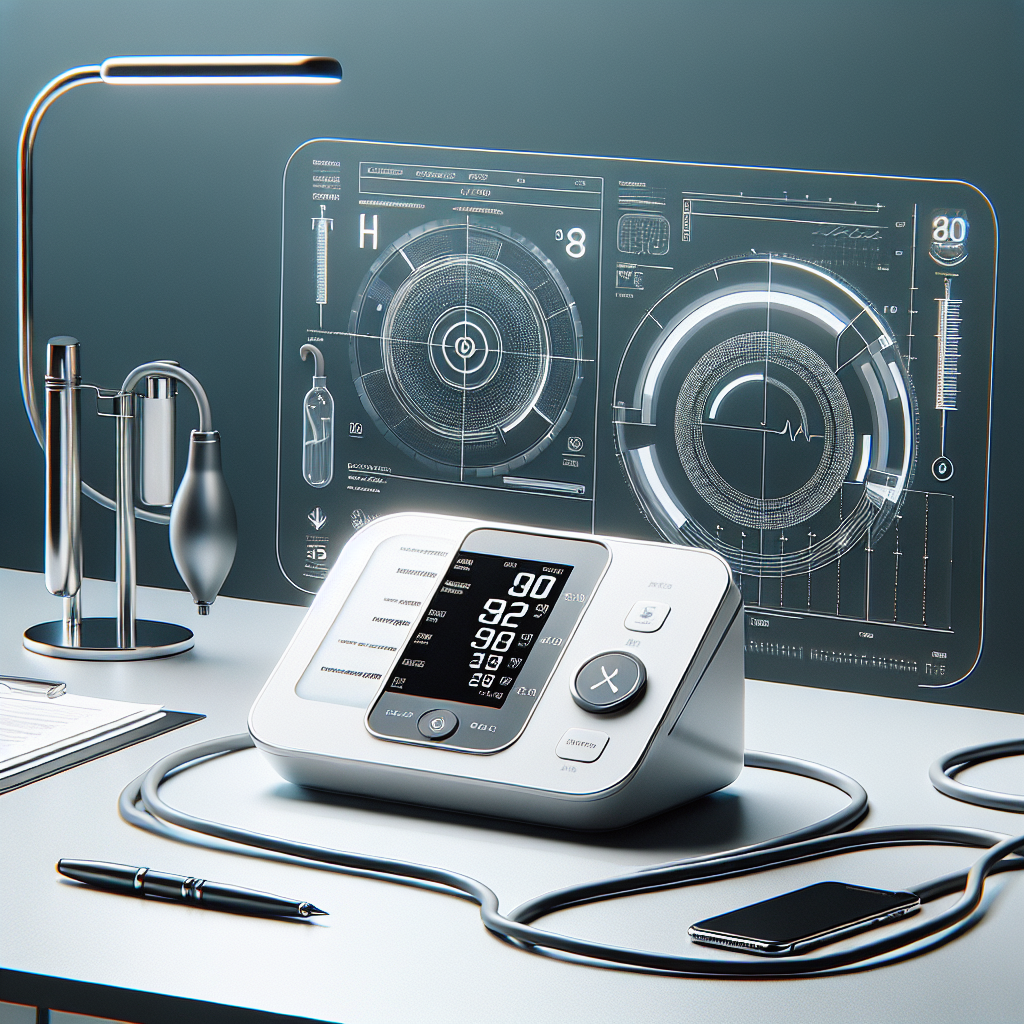
New monitors commonly offer Bluetooth and Wi-Fi connectivity, allowing seamless synchronization with smartphones and cloud health platforms. This enhances data sharing with healthcare providers and supports telemedicine initiatives. Integration with apps also enables trend analysis, medication reminders, and alerts, improving patient engagement in their treatment plans.
Identifying Essential Features for Different Health Conditions
Hypertension and Cardiovascular Risk Management
Patients managing hypertension benefit from monitors with multiple user profiles, irregular heartbeat detection, and averaging functions to provide a comprehensive overview of blood pressure fluctuations. Features such as morning hypertension alerts and nocturnal monitoring enhance condition-specific insights crucial for cardiovascular risk mitigation.
Chronic Kidney Disease and Diabetes Considerations
For individuals with chronic kidney disease or diabetes, accuracy and ease of use are paramount due to frequent monitoring requirements. Devices with large displays, adjustable cuff sizes, and memory storage for multiple readings facilitate consistent self-monitoring critical for disease control.
Understanding Accuracy Ratings and Their Importance
Accuracy ratings serve as a critical measure differentiating reliable monitors from subpar devices. Assessing validation from bodies such as the British Hypertension Society or the Association for the Advancement of Medical Instrumentation provides assurance of measurement integrity. Consumers are advised to review clinical validation studies and certification marks when selecting a device to ensure dependable home monitoring.
User-Friendly Features Enhancing Compliance and Consistency
Cuff Design and Comfort
The evolution in cuff technology includes adjustable materials catering to various arm sizes and improved inflation mechanisms that increase comfort during use. Patients are more likely to adhere to regular monitoring with these ergonomic improvements.
Display and Interface Usability
Clear digital displays with backlighting, voice guidance, and straightforward navigation menus reduce user error and frustration. This is especially significant for elderly users or those with limited technical proficiency.
Cost-effectiveness and Long-term Benefits
While upfront cost is a consideration, healthcare professionals recommend evaluating monitors based on durability, warranty, and replacement cuff availability. Devices providing accurate readings, user support, and compatibility with health systems offer superior value. For further insights on balancing quality and price in monitor selection, readers may consult Top Blood Pressure Monitors: Accuracy, Cost & User Ease.
Conclusion
Choosing the optimal blood pressure monitor in 2026 requires an informed assessment of advanced technology features, patient-specific needs, and certification standards. When accuracy, comfort, and connectivity converge in a device, patients achieve better compliance and improved health outcomes. Long-term value also factors heavily into sustainable blood pressure management strategies. Staying current with the latest validated products, and understanding how to interpret monitor data effectively, empowers both healthcare providers and users to manage cardiovascular health with confidence.
Frequently Asked Questions
What features should I prioritize when buying a blood pressure monitor?
Focus on accuracy validated by reputable health organizations, cuff size and comfort, ease of use, memory storage, and connectivity options that align with your health management needs.
How can I ensure the readings from my monitor are reliable?
Purchase monitors with clinical validation from recognized bodies, use the device following instructions, and periodically compare readings with those taken by healthcare professionals.
Are wrist monitors as accurate as upper arm monitors?
Upper arm monitors generally provide more consistent and reliable readings. Wrist monitors may be less accurate due to positioning sensitivity but can be suitable for users unable to use arm cuffs.
How often should I replace my blood pressure monitor or its components?
Most monitors last several years if maintained properly. Replace cuffs as recommended by the manufacturer or if they show wear. Calibration or replacement is advised if readings become inconsistent.
Can blood pressure monitors connect to health apps for tracking?
Many 2026 models feature Bluetooth or Wi-Fi connectivity allowing integration with apps for data storage, trend visualization, and sharing with healthcare providers, enhancing monitoring convenience and accuracy.
For readers seeking deeper insights on top devices available this year, the article Top Blood Pressure Monitors 2026: Accurate & Reliable Picks offers detailed comparative reviews.
