- Your cart is empty
- Continue Shopping


Top Non-Invasive Glucose Monitors 2026 Comparison Guide

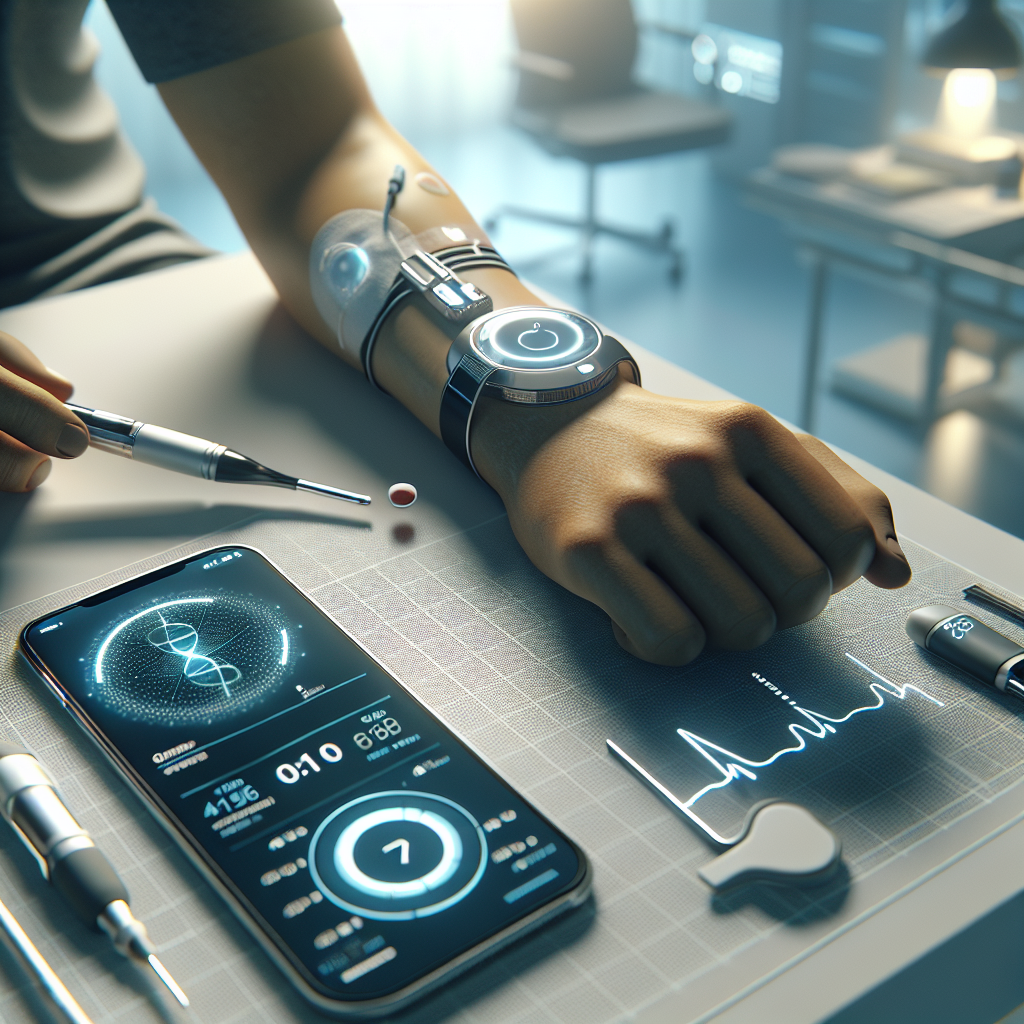
Key Takeaways
- Non-invasive glucose monitors in 2026 provide improved accuracy through advanced sensor technologies.
- Device usability and patient compliance are crucial factors influencing the choice of glucose monitors.
- Cost-effectiveness varies with insurance coverage and device features, requiring careful evaluation.
- Expert recommendations focus on balancing reliability, convenience, and affordability for optimal diabetes management.
Introduction
With diabetes management evolving, the demand for non-invasive glucose monitors has surged in 2026. These devices offer patients the ability to track glucose levels without traditional finger-pricking, greatly enhancing comfort and adherence. Technology advancements have propelled these monitors beyond rudimentary readings, integrating continuous monitoring, enhanced sensor accuracy, and user-friendly interfaces. However, the variety of options available can pose challenges when deciding which device suits specific clinical and personal needs.
This article provides a comprehensive comparison of the leading non-invasive glucose monitoring technologies of 2026, analyzing their accuracy, reliability, patient compliance factors, cost-effectiveness, and insurance coverage. Additionally, expert insights are shared to guide healthcare providers and patients towards informed decisions aligned with individual health management goals.
Latest Non-Invasive Glucose Monitoring Technologies
Optical Spectroscopy-Based Monitors
Optical spectroscopy uses light to analyze glucose concentration beneath the skin. Recent iterations in 2026 have enhanced sensor precision and reduced environmental interference, delivering reliable continuous glucose monitoring. These devices often feature compact designs and seamless smartphone integration, enhancing usability for daily tracking.
Transdermal and Electromagnetic Sensors
Advances in transdermal sensing enable glucose detection through sweat or interstitial fluid without skin penetration. Additionally, electromagnetic sensors have improved signal processing capabilities to detect glucose with minimal lag times. These monitors boast minimal maintenance requirements which improve patient adherence.
Accuracy and Reliability Comparison
Accuracy remains a critical factor in device selection. Optical spectroscopy models generally offer a margin of error within 10%, while some electromagnetic sensors exhibit slightly wider variability but acceptable clinical accuracy. Continuous calibration and update algorithms have reduced data inconsistencies, enhancing reliability over prolonged usage. It is vital for patients to work with clinicians to validate device readings against laboratory standards.
User-Friendliness and Patient Compliance
Modern devices emphasize ergonomic design and intuitive user interfaces. Many include wireless data sync, alert customization, and app-based data visualization to support proactive diabetes management. Patient compliance improves with devices that require minimal user intervention and offer painless operation. This usability focus parallels enhancements seen in other medical products documented in the Medical Gloves 2026 durability and cost comparison and blood pressure monitor accuracy and usability studies.
Cost-Effectiveness and Insurance Coverage
Price points for non-invasive glucose monitors vary widely depending on technology and brand. While some premium models provide extensive features and longer warranties, budget-conscious options focus on essential monitoring needs. Insurance coverage has expanded in 2026 to include several FDA-approved monitors, but reimbursement policies differ by provider and region. Patients should consult insurance representatives to understand out-of-pocket expenses and potential subsidies.
Expert Recommendations for Device Selection
Healthcare professionals recommend evaluating glucose monitors in terms of clinical accuracy, ease of use, integration capabilities with digital health platforms, and financial considerations. Additionally, patient lifestyle and preferences, such as mobility and tech savviness, should influence final decisions. For broader understandings of medical product suitability, reviewing resources like the Essential Medical Supplies suitability guide can be valuable.
Conclusion
Non-invasive glucose monitors in 2026 represent a significant leap forward in diabetes care, blending innovative technology with patient-centered design. Selecting the right device depends on balancing accuracy, usability, cost, and insurance considerations. By understanding current options and expert guidance, patients and providers can collaboratively optimize glucose monitoring strategies for better health outcomes.
Frequently Asked Questions
How accurate are non-invasive glucose monitors compared to traditional methods?
While non-invasive monitors have improved significantly, their accuracy generally approaches but does not yet fully match traditional finger-prick devices. They are suitable for continuous monitoring but should be validated periodically with conventional measurements.
Are non-invasive glucose monitors covered by insurance?
Many FDA-approved devices are covered, but coverage varies by insurance plan and region. Patients are advised to check with their providers for specific coverage details and potential out-of-pocket costs.
What factors impact patient compliance with non-invasive glucose monitoring?
Factors include device painlessness, ease of use, data accessibility, and integration with lifestyle. Devices with user-friendly interfaces and wireless data syncing typically result in higher adherence.
Can non-invasive glucose monitors be used for all types of diabetes?
Yes, these monitors are generally suitable for both Type 1 and Type 2 diabetes patients but should be part of a comprehensive management plan under medical supervision.
How often should these devices be calibrated?
Calibration requirements vary by device; some require periodic user calibration, while newer models use algorithmic adjustments to minimize manual intervention. Following manufacturer guidelines is essential for optimal performance.
