- Your cart is empty
- Continue Shopping


Blood Pressure Monitors: Accurate Choices for 2026

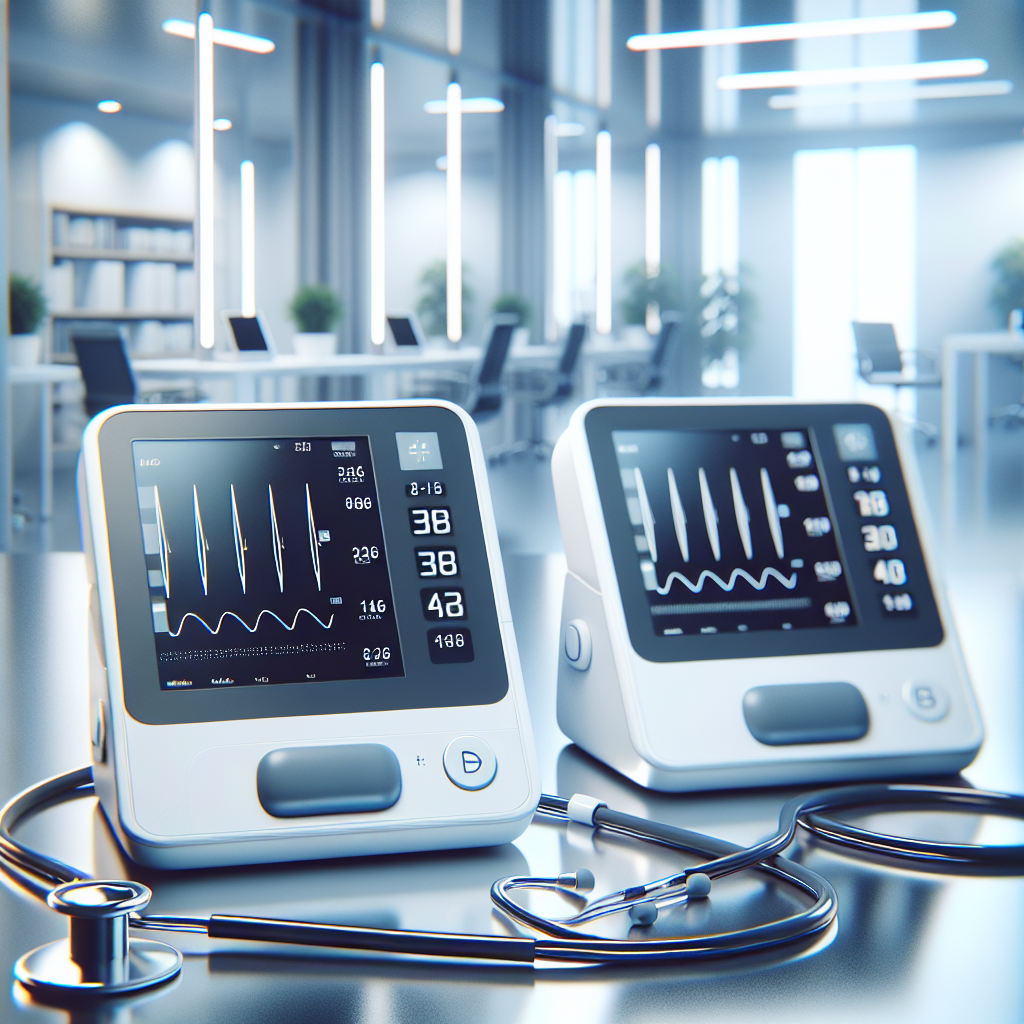
Key Takeaways
- Modern blood pressure monitors offer advanced accuracy and user-friendly features designed to meet diverse health needs.
- Understanding the latest technological advancements helps in selecting reliable monitors that provide consistent readings.
- Regular maintenance and calibration are crucial for optimal performance and longevity of blood pressure monitors.
- Expert recommendations assist consumers in choosing devices that combine precision with ease of use.
Introduction
Blood pressure monitoring is a critical component in the management and prevention of cardiovascular diseases, making the choice of an accurate monitor essential. As we approach 2026, advancements in technology have enhanced the precision and usability of these devices, catering to a broad spectrum of health requirements. This article explores the latest developments in blood pressure monitors, compares top-rated models focusing on their accuracy and user-friendliness, and highlights key features that contribute to reliable performance.
With many options available, understanding how to select a monitor tailored to individual health profiles and lifestyles is vital. Additionally, maintaining these devices properly ensures consistent performance, which is indispensable for tracking health status accurately. We will also draw attention to expert recommendations and best practices to guide healthcare consumers in making informed decisions.
Understanding Modern Blood Pressure Monitor Technology
Advancements in Measurement Accuracy
Newer blood pressure monitors incorporate technologies such as oscillometric measurement, pulse transit time analysis, and advanced algorithms that reduce artifacts and improve reading consistency. These technologies mitigate errors caused by movement and irregular heartbeat, resulting in clinically reliable data suitable for home and clinical use.
User-Centered Design Enhancements
Manufacturers have focused on ergonomics, intuitive interfaces, and connectivity options. Touchscreen displays, memory storage for multiple users, and Bluetooth integration with health apps allow users to track trends and share results with healthcare providers seamlessly.
Comparing Top-Rated Models for 2026
Accuracy and Validation
It is important to choose monitors validated by reputable organizations adhering to international protocols such as the AAMI and BHS standards. Devices like the Omron Platinum, Withings BPM Connect, and Beurer BM67 have demonstrated consistent accuracy in independent trials.
User Experience and Features
Models that excel in user-friendliness include easy cuff placement guides, large digital displays, and voice-assisted instructions. Additional features like arrhythmia detection and hypertension risk indicators contribute to more comprehensive health monitoring.
Key Features That Enhance Reliability and Performance
Cuff Fit and Comfort
Cuff size suitability is paramount for accurate readings. Adjustable and anatomically designed cuffs ensure comfort and reduce interferences during measurement.
Data Management and Connectivity
Cloud syncing and data export options enable users to maintain detailed health records and facilitate telemedicine consultations. Ensuring device compatibility with smartphones and tablets is a growing preference among consumers.
Selecting a Blood Pressure Monitor That Meets Your Health Needs
Consider Your Medical Conditions
For individuals with specific conditions like arrhythmias, monitors with irregular heartbeat detection should be prioritized. Conversely, users seeking general wellness tracking may value simplicity and portability.
Review Expert Buying Guides
Resources such as how to choose the right blood pressure monitor provide comprehensive advice catering to different user needs, ensuring appropriate device selection.
Maintenance and Best Practices
Regular Calibration and Testing
Periodic checks against clinical-grade devices ensure ongoing accuracy. Following manufacturer instructions for calibration and battery replacement prolongs device lifespan.
Storage and Handling
Keeping monitors in appropriate environmental conditions protects sensitive components. Avoiding exposure to moisture, extreme temperatures, and impacts enhances reliability.
For further understanding of equipment quality’s impact on healthcare, readers can explore why quality medical supplies matter in healthcare.
Conclusion
Choosing the right blood pressure monitor in 2026 involves understanding technological advancements, verifying device accuracy, and matching features to personal health requirements. By selecting validated models and adhering to maintenance best practices, users can ensure accurate and reliable blood pressure tracking. This supports proactive health management and fosters informed conversations with healthcare professionals, contributing to overall well-being.
Frequently Asked Questions
What types of blood pressure monitors are most accurate?
Oscillometric digital monitors validated by recognized institutions tend to offer the most accurate readings for home use, especially those with advanced algorithms that compensate for user movement.
How often should I calibrate my blood pressure monitor?
Calibration should typically be performed annually or as recommended by the manufacturer. Some monitors can be verified against clinical devices during routine medical visits.
Can anyone use a wrist monitor effectively?
While wrist monitors are portable and convenient, they may be less accurate than upper-arm devices and require correct positioning at heart level during measurement.
How important is cuff size when selecting a monitor?
Cuff size significantly impacts measurement accuracy. It is essential to choose a cuff that fits the arm circumference properly to avoid erroneous readings.
Are Bluetooth-enabled blood pressure monitors worth it?
Bluetooth-enabled devices facilitate easy data tracking and sharing with healthcare providers, making them useful for users committed to monitoring trends over time.
