- Your cart is empty
- Continue Shopping


Wound Care Products: Efficacy & Cost Comparison 2026

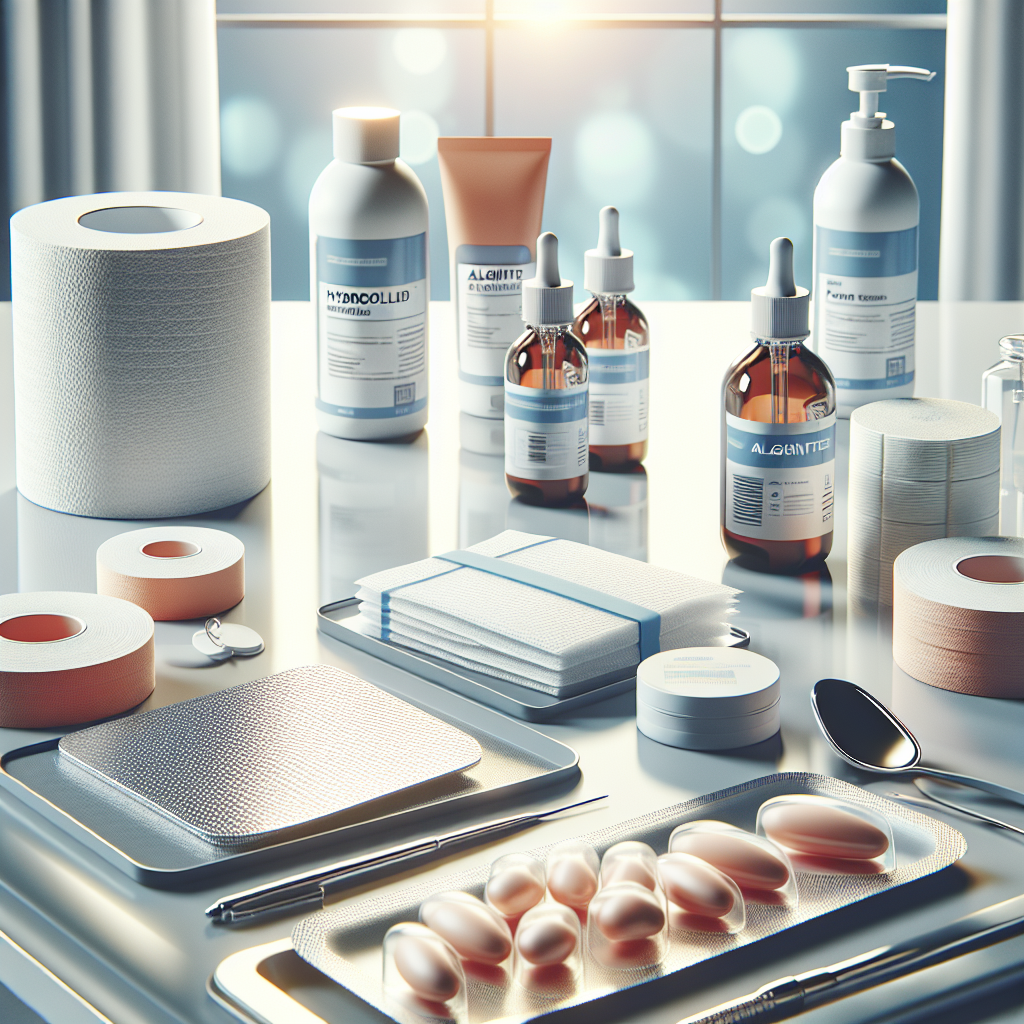
Key Takeaways
- Hydrocolloid, alginate, and foam dressings show distinct efficacy depending on wound type and healing stage.
- Cost-effectiveness varies; alginates often offer the best balance for highly exudative wounds, while hydrocolloids are ideal for moderate wounds.
- Patient satisfaction is increasingly linked to ease of use, comfort, and healing time improvements in wound care products.
- 2026 wound care trends focus on bioengineered materials and smart dressings enhancing monitoring and healing.
- Choosing the right dressing based on wound stage improves clinical outcomes and reduces healthcare costs.
Introduction
In 2026, wound care products continue to evolve, integrating advanced materials and evidence-based technologies to improve healing outcomes and patient comfort. Selecting the most effective and cost-efficient wound dressing is critical for clinicians and caregivers to optimize recovery times and reduce healthcare expenses. This comprehensive analysis evaluates the efficacy and cost comparisons of major wound care products — hydrocolloids, alginates, and foam dressings — across different wound healing stages. It also incorporates patient satisfaction metrics to provide a holistic understanding of current best practices.
Understanding the latest advancements helps healthcare professionals align treatment protocols with evolving trends and patient needs. Additionally, exploring targeted uses for each dressing type reveals practical insights into their clinical applicability. This article also references strategic resources, highlighting how quality medical supplies impact overall patient care and efficiency in modern healthcare settings.
Understanding Wound Care Product Types
Hydrocolloid Dressings
Hydrocolloid dressings are designed to maintain a moist wound environment, accelerating granulation and epithelialization. They are most effective for wounds with low to moderate exudate and are widely used in pressure ulcers, minor burns, and postoperative wounds. Their semi-permeable nature limits bacterial contamination while allowing oxygen exchange.
Alginate Dressings
Derived from seaweed, alginate dressings are highly absorbent and ideal for wounds with moderate to heavy exudate such as venous ulcers and diabetic foot ulcers. They facilitate hemostasis and promote a moist environment conducive to tissue regeneration. Alginate dressings often require secondary covering due to their gel-forming consistency upon fluid absorption.
Foam Dressings
Foam dressings offer high absorbency and cushioning, supporting delicate tissue and providing insulation. They are effective at managing exudate and are used for partial to full-thickness wounds, surgical sites, and pressure-induced ulcers. The breathable material prevents maceration, contributing to patient comfort during extended wear times.
Efficacy Comparison Across Healing Stages
Inflammatory Phase
During the initial inflammatory stage, dressings that relieve pain and manage exudate are crucial. Alginate dressings with their hemostatic properties are particularly effective here, controlling bleeding while maintaining moisture balance.
Proliferative Phase
The proliferative stage benefits from hydrocolloid dressings that promote tissue granulation and epithelial migration. Their occlusive nature accelerates wound closure while reducing infection risk.
Maturation Phase
In mature wounds, foam dressings provide a protective barrier and cushioning to prevent re-injury. Their durability and comfort support patient adherence to long-term care plans.
Cost-Effectiveness Analysis
Evaluating the cost-effectiveness of wound care products requires considering not only the unit price but also the frequency of dressing changes, healing time, and complications. Alginate dressings, although sometimes higher in initial cost, reduce the need for frequent changes in highly exudative wounds, balancing overall expense.
Hydrocolloids offer a moderate price point with effectiveness in various wound types, leading to cost savings through faster healing. Foam dressings, while sometimes more costly, enhance patient comfort and reduce nursing time due to extended wear periods.
For comprehensive procurement and strategic budgeting, healthcare providers can benefit from insights shared in why quality medical supplies matter in healthcare. Ensuring procurement of reliable, effective dressings helps improve outcomes and avoid hidden costs linked to treatment failures.
Patient Satisfaction and Usage Trends in 2026
Patient satisfaction increasingly influences product choice, focusing on dressings that minimize discomfort, reduce dressing change frequency, and fit active lifestyles. Recent surveys indicate foam dressings score high on comfort, while hydrocolloids are favored for ease of application. Advanced wound care is trending toward bioengineered and smart dressings equipped with sensors that monitor healing progress in real time.
Moreover, leveraging data from healthcare devices is becoming more common. For example, integrating wound care monitoring with broader diagnostic frameworks, as outlined in the importance of medical diagnostic tools in everyday healthcare, is streamlining patient management and improving outcomes.
Conclusion
Selecting the appropriate wound care product depends on careful assessment of wound type, healing stage, and patient needs. Hydrocolloid, alginate, and foam dressings each have specific advantages that can be leveraged for optimal efficacy and cost savings. The trends in 2026 underscore a shift toward integrated, patient-centered solutions incorporating advanced materials and monitoring technologies.
Healthcare providers should stay informed about these developments and utilize comprehensive resources to make evidence-based decisions that enhance patient outcomes and reduce overall healthcare expenditure.
Frequently Asked Questions
What wounds are best treated with hydrocolloid dressings?
Hydrocolloid dressings are best suited for wounds with low to moderate exudate, including pressure ulcers, minor burns, and postoperative wounds. They provide a moist environment that promotes healing while protecting from contamination.
Are alginate dressings cost-effective for chronic wounds?
Yes, alginate dressings are highly absorbent and reduce the frequency of dressing changes in chronic wounds with heavy exudate, making them cost-effective despite a higher unit price.
How do foam dressings improve patient comfort?
Foam dressings offer cushioning and insulation that protect delicate tissue, reduce pain during movement, and allow longer wear times, all contributing to enhanced patient comfort.
What are the latest trends in wound care product development?
Key trends include bioengineered dressings, smart materials capable of monitoring wound status, and integration with healthcare diagnostic tools for personalized care.
Can the choice of wound dressing impact healing time?
Absolutely. Using the appropriate dressing tailored to the wound type and healing stage can accelerate recovery, reduce infection risk, and improve overall treatment outcomes.
