- Your cart is empty
- Continue Shopping


Medical Syringes Comparison: Design, Material, and Applications

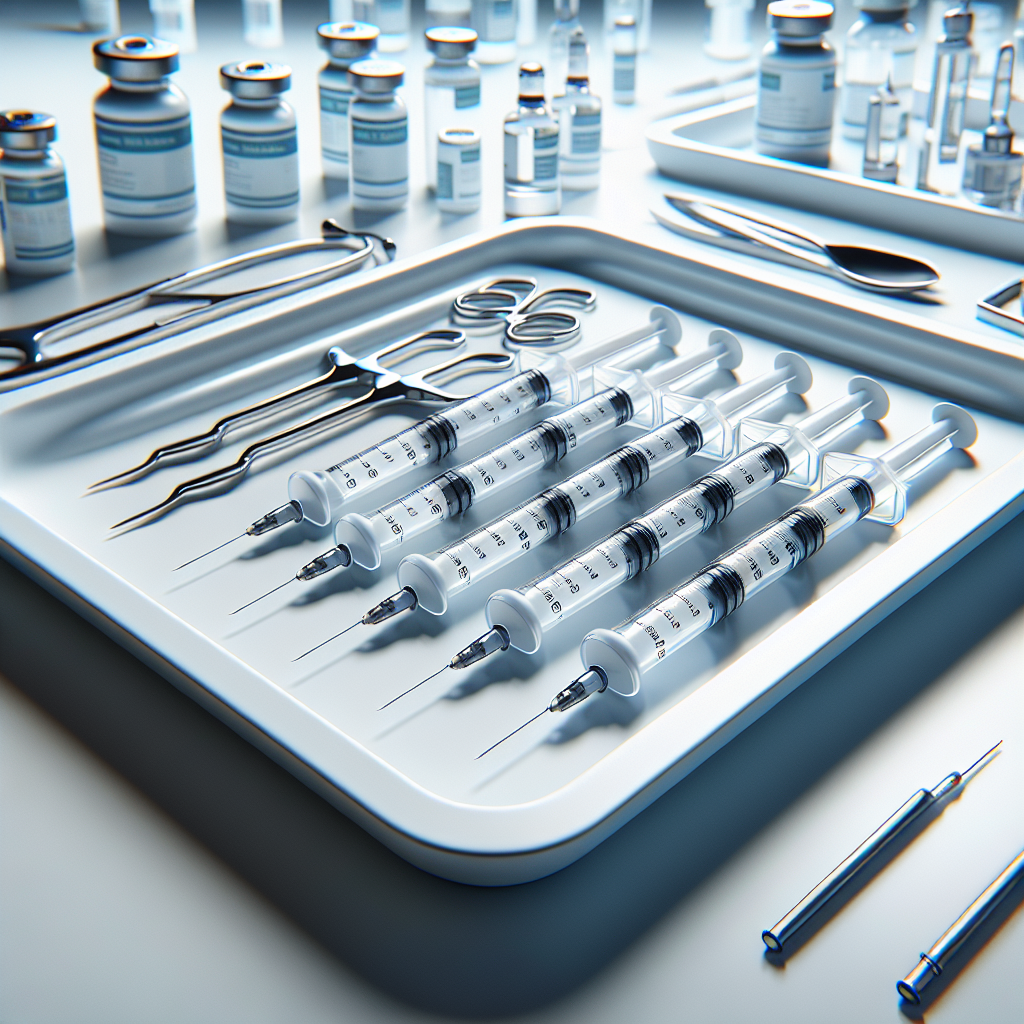
Key Takeaways
- Choosing the right medical syringe involves considering design, materials, and application to ensure safety and precision.
- Materials like polypropylene and glass influence the syringe’s durability and patient safety.
- Specialized designs enhance dosage accuracy and ease of use in various medical settings.
- Analyzing cost-effectiveness must balance quality without compromising patient outcomes.
- Medical professionals should align syringe selection with specific procedural requirements to optimize performance.
Introduction
Medical syringes are indispensable tools in healthcare, playing critical roles from routine vaccinations to intricate surgical procedures. Their design, material composition, and application directly impact patient safety, dosage accuracy, and ease of use. As the healthcare industry evolves, understanding the nuances among various syringe types is essential for clinicians, procurement officers, and healthcare administrators. This article delves into the comparative aspects of medical syringes, exploring how design innovations and material choices contribute to medical efficacy and safety. Furthermore, it evaluates the cost-effectiveness of different syringe options, providing strategic guidance for optimal selection across diverse medical contexts.
Types of Medical Syringes and Their Applications
Standard Syringes
Standard syringes, typically made from polypropylene, are widely used for injections, fluid withdrawal, and drug administration. These syringes vary in volume from 0.5 ml for insulin to 60 ml for irrigation purposes. Their straightforward design suits general medical settings but requires careful selection regarding gauge and volume for precise applications.
Insulin and Tuberculin Syringes
Insulin syringes, smaller and more precise, cater specifically to diabetic care. Their fine needles and calibrated scales facilitate exact dosing. Tuberculin syringes, similarly precise and generally 1 ml in volume, are predominantly used for allergy tests and tuberculosis screening, necessitating accuracy in low-volume administration.
Specialized Syringes
Specialized syringes, such as safety syringes equipped with retrievable needles or auto-disable features, enhance protection against needlestick injuries and reuse. Other specialized types include catheter-tip syringes for irrigation and dental syringes designed for precise anesthetic delivery.
Material Considerations and Patient Safety
Plastic versus Glass Syringes
Most medical syringes are manufactured from polypropylene due to its durability, transparency, and cost-efficiency. However, glass syringes continue to be utilized in niche applications requiring chemical resistance and sterilization at high temperatures. Each material offers distinct advantages regarding reusability and biocompatibility, influencing safety profiles in clinical environments.
Needle Materials and Coatings
Needles typically consist of surgical-grade stainless steel to ensure strength and minimize corrosion. Coatings such as silicone reduce friction during penetration, improving patient comfort and injection precision. Material choices impact the risk of contamination and allergic reactions, making them critical considerations.
Design Impact on Precision and Usability
Ergonomics and Grip
Well-designed syringes feature textured grips and finger flanges that enable controlled administration, helping clinicians deliver medication accurately. Ergonomic features reduce hand fatigue during repetitive use, which is vital in high-volume clinical settings.
Graduation Markings and Barrel Transparency
Precise and clear graduation markings directly affect dosage accuracy. High-contrast, easy-to-read calibration scales prevent medication errors, while transparent barrels enable visibility of the fluid volume and air bubbles.
Cost-Effectiveness and Quality Balance
Evaluating Price Versus Performance
While cost reduction is essential in healthcare procurement, selecting medical syringes should never compromise quality or safety. Bulk purchasing and vendor negotiation can optimize expenditure, but quality assurance processes must verify that syringes meet regulatory standards.
Long-Term Considerations
Investing in syringes with enhanced safety and durability may reduce injury rates and waste, producing savings over time. Healthcare facilities should assess total cost of ownership, including disposal, training, and potential liability costs.
Choosing the Right Syringe for Medical Requirements
Assessing Clinical Needs
Factors influencing syringe choice include the type of medication, required dose accuracy, injection route, and patient population. For instance, pediatric settings prioritize smaller volume syringes with finer needles, whereas emergency departments may prefer syringes with safety-engineered features.
Compliance and Regulatory Standards
Ensuring syringes comply with standards such as ISO 7886 and FDA guidelines is crucial for patient safety and legal compliance. Periodic review of supplier certifications and product testing supports adherence to these regulations.
For a broader perspective on medical product selections, consider reviewing our detailed insights in the Essential Medical Supplies Suitability Guide and how innovations in related products impact overall clinical care, such as those found in the 2026 Wound Care Products Advances and Comparisons.
Conclusion
Understanding the intricacies of medical syringe design, material composition, and application is fundamental to enhancing patient safety and clinical outcomes. Medical professionals and healthcare facilities should engage in thorough evaluations balancing precision, usability, and cost-effectiveness during syringe selection. Utilizing appropriate syringes tailored to specific medical needs supports improved procedural accuracy and reduces risks associated with administration errors and infections. Continuous education and alignment with regulatory standards will ensure that syringe choices remain optimal as healthcare technologies evolve.
Frequently Asked Questions
What materials are syringes commonly made from?
Syringes are usually made from medical-grade plastic such as polypropylene, known for durability and transparency. Glass syringes are occasionally used when chemical resistance or high-temperature sterilization is necessary.
How does syringe design affect injection accuracy?
Design elements like ergonomic grips, clear gradation markings, and smooth plunger action improve dosage precision and handling comfort, reducing the likelihood of medication errors.
Are safety syringes more cost-effective?
Although safety syringes may come at a higher upfront cost, they reduce risks of needlestick injuries and cross-contamination, potentially lowering long-term costs related to workplace injuries and infections.
What factors should be considered when choosing a syringe?
Consider the required volume, needle gauge, patient comfort, regulatory compliance, and intended medical application to select the most suitable syringe.
Where can I find reliable information on other medical supplies?
Visiting resource guides like the Essential Medical Supplies Accuracy and Suitability Guide provides comprehensive comparisons and insights on a broad range of medical products.
