- Your cart is empty
- Continue Shopping


Digital vs. Infrared Thermometers: Accurate Choice Guide

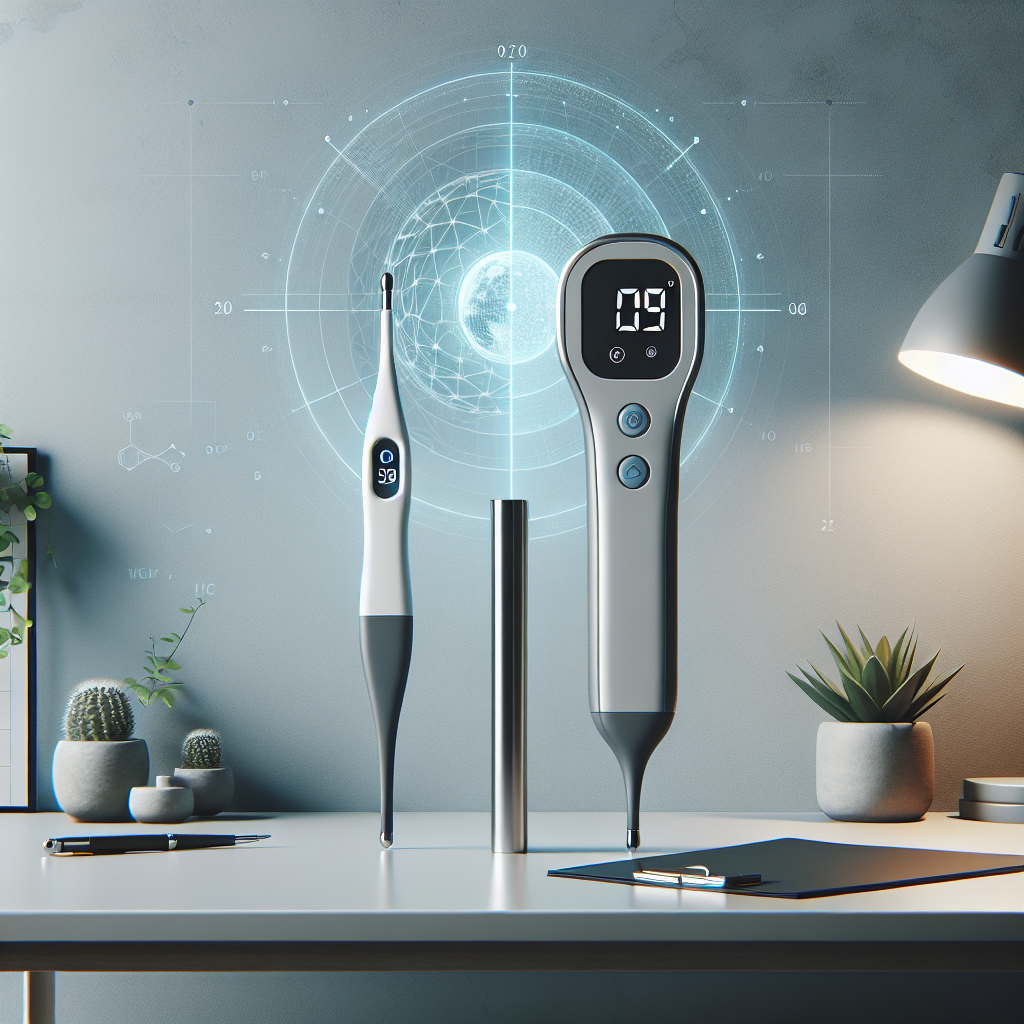
Key Takeaways
- Digital thermometers offer precise and cost-effective temperature readings suitable for home use.
- Infrared thermometers provide quick, non-contact assessments ideal for clinical and fast-paced environments.
- User preferences and the context of use play significant roles in choosing the appropriate thermometer.
- Both types require regular maintenance and calibration to ensure accuracy over time.
Introduction
Choosing the right thermometer is essential for accurate health assessments in both clinical and home settings. Among the many options available, digital and infrared thermometers stand out as popular choices, each with distinct advantages and limitations. Digital thermometers have been widely embraced for their precision and affordability, making them a staple in many households. In contrast, infrared thermometers have gained popularity in medical facilities and public health contexts due to their rapid, non-contact temperature readings that reduce contamination risks.
This article delves into the differences between digital and infrared thermometers, examining their accuracy, ease of use, maintenance requirements, and application scenarios. Understanding these factors will empower healthcare providers and consumers to make well-informed decisions tailored to their needs. Additionally, we will look into how these devices fit within the broader scope of reliable medical diagnostic tools, emphasizing the importance of selecting quality medical supplies for effective healthcare management.
Understanding Digital Thermometers
How Digital Thermometers Work
Digital thermometers measure temperature via electronic sensors that detect heat changes when placed in contact with the body—commonly orally, rectally, or under the arm. The electronic circuitry translates this heat into a numerical reading displayed on an LCD screen. The technology ensures relatively high accuracy with readings generally available within 10 to 60 seconds.
Advantages and Limitations
One of the primary advantages of digital thermometers is their cost-effectiveness and ease of use. Their compact design and straightforward operation make them an ideal choice for personal and at-home temperature monitoring. Moreover, they offer consistent accuracy when used correctly and with proper calibration.
However, since they require direct contact, digital thermometers are less ideal in situations where infection control is critical, and they may feel less comfortable, especially for young children or patients who are sensitive to oral or rectal placement.
Exploring Infrared Thermometers
Principles of Infrared Thermometry
Infrared thermometers detect thermal radiation emitted by the body, allowing temperature measurement from a distance without direct contact. This feature accelerates the process and minimizes cross-contamination risks, particularly valuable in busy clinical environments or during health screenings in public spaces.
Benefits and Drawbacks
Infrared thermometers excel in providing near-instantaneous readings and are preferable where hygiene is paramount or patient comfort is a concern. Additionally, their no-contact design aids in reducing the spread of infectious diseases during mass temperature checks.
On the flip side, infrared devices can be more expensive, and their accuracy can be affected by environmental conditions such as ambient temperature or improper positioning. Calibration and routine maintenance are critical to ensure reliable measurements over time.
Choosing the Right Thermometer for Your Needs
Context and Environment
The choice between digital and infrared thermometers largely depends on the intended environment and user preferences. For personal home use, a digital thermometer provides cost-effective accuracy without requiring specialized knowledge. Meanwhile, clinics, hospitals, and screening points benefit from infrared thermometers due to their speed, hygiene benefits, and ease of use in hectic settings.
Maintenance and Calibration
Regardless of type, thermometers require periodic calibration to sustain measurement precision. Improper maintenance can lead to inaccuracies that compromise clinical decisions or personal health monitoring. Regular checks and adherence to manufacturer guidelines are essential for long-term reliability.
For insights on the broader range of medical diagnostic devices and their impact on healthcare quality, refer to The Importance of Medical Diagnostic Tools in Everyday Healthcare.
Conclusion
Both digital and infrared thermometers have valuable roles in temperature measurement. Digital thermometers offer affordability and accuracy suited for everyday personal use, while infrared thermometers provide speed and safety advantages critical in clinical and public health environments. Selection should be based on specific user needs, environment, and maintenance capabilities. Emphasizing quality medical supplies, such as reliable thermometers, supports better health outcomes and efficient medical care.
To further explore medical supplies essential for comprehensive healthcare, consider reading Essential Medical Supplies Every Home Should Have.
Frequently Asked Questions
Which thermometer type is more accurate?
Both digital and infrared thermometers are accurate when properly used and calibrated. Digital thermometers provide high precision especially in stable settings, while infrared thermometers offer quick results but can be susceptible to environmental interference.
Can infrared thermometers be used on young children?
Yes, infrared thermometers are suitable for all age groups since they provide contactless and fast readings, enhancing comfort for young children.
How often should thermometers be calibrated?
Calibration frequency depends on the manufacturer’s recommendations and frequency of use. Generally, annual calibration is advised to maintain measurement accuracy.
Are infrared thermometers more expensive than digital ones?
Typically, infrared thermometers have a higher upfront cost due to their advanced technology, but their durability and hygienic benefits can justify the investment in clinical settings.
Can environmental factors affect infrared thermometer accuracy?
Yes, factors like ambient temperature, humidity, and distance from the patient can impact infrared thermometer readings, making proper usage essential.
