- Your cart is empty
- Continue Shopping


Best Blood Pressure Monitor 2026: Top Picks & Buying Guide

Key Takeaways
- Advancements in blood pressure monitor technology enhance clinical accuracy and user convenience in 2026.
- Digital monitors offer ease of use and advanced features, while manual devices maintain relevance for clinical precision.
- Choosing a monitor should align with individual health needs, including cuff size, connectivity, and data storage.
- Regular maintenance and calibration are essential to ensure prolonged accuracy and reliable measurements.
Introduction
Monitoring blood pressure accurately is a critical component of managing cardiovascular health. In 2026, the evolution of blood pressure monitors has brought significant innovation, offering healthcare providers and patients advanced tools that combine precision with user-friendly features. Choosing the best blood pressure monitor requires a clear understanding of the latest technological advancements, clinical accuracy standards, and how device attributes complement specific patient needs. This comprehensive guide explores essential considerations, comparing digital and manual monitors, highlights the top-rated products of the year based on clinical trials and user reviews, and offers insights into maintenance best practices to maximize device longevity. Whether for home use or clinical settings, selecting the right blood pressure monitor ensures reliable data to inform effective health management strategies.
Latest Advancements in Blood Pressure Monitor Technology
Enhanced Accuracy and Validation
Recent models in 2026 integrate advanced sensors and AI-driven algorithms to improve the precision of readings by reducing motion artifacts and environmental interference. These innovations ensure that measurements closely reflect clinical exam standards, gaining validation from international hypertension societies. Moreover, monitors now often feature automatic irregular heartbeat detection and multi-user profiles to enhance personalized care.
Connectivity and Data Management
Integration with smartphones, tablets, and cloud platforms is a notable advancement. Users can easily sync readings via Bluetooth or Wi-Fi, facilitating long-term tracking and sharing with healthcare professionals. Mobile applications also offer features like reminders, trend analysis, and health insights, supporting proactive management.
Top-Rated Blood Pressure Monitors of 2026
Several devices stand out based on clinical accuracy, user satisfaction, and feature sets. Among them, brands such as Omron, Withings, and Beurer have continued to innovate. For nuanced guidance on options backed by clinical testing, readers may reference Blood Pressure Monitors: Accurate Choices for 2026. These monitors vary in cuff sizes, memory capacity, and additional metrics like pulse wave velocity, which collectively influence suitability for different users.
Matching Monitor Features to Patient Needs
Cuff Size and Comfort
Ensuring an appropriately sized cuff is fundamental for accuracy. Adult arm circumferences vary greatly, so monitors often come with adjustable cuffs or offer multiple sizes. A poorly fitted cuff can lead to erroneous readings, underscoring the need for customization.
Digital Versus Manual Monitors
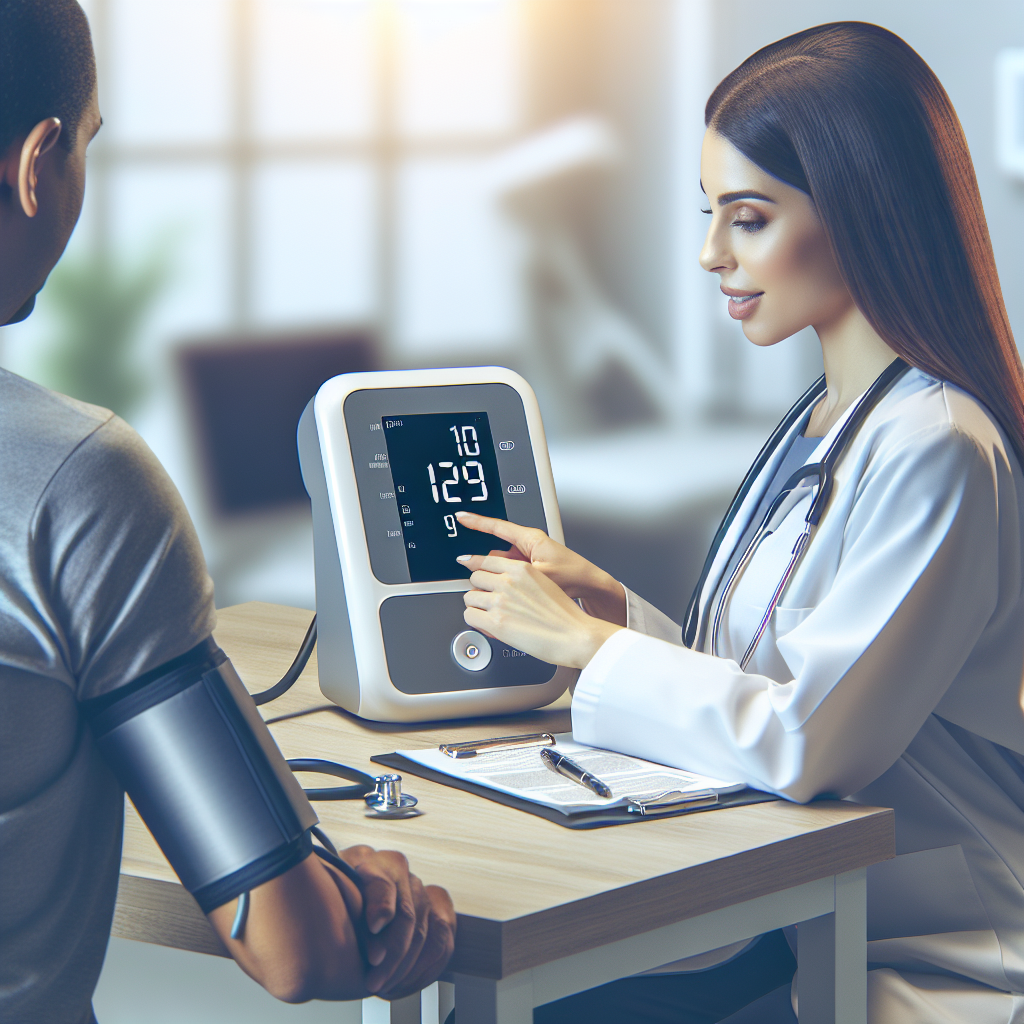
Digital monitors provide automation and ease of self-use without requiring medical training. They often include visual and audible cues to guide the user. In contrast, manual monitors, such as aneroid sphygmomanometers, rely on auscultation and are preferred in clinical assessments for their reliability when operated by trained professionals. Reviewing the detailed comparison found in How to Choose the Right Blood Pressure Monitor can further assist in understanding these differences.
Additional Features
Features like irregular heartbeat detection, multi-user support, and memory storage with time stamps add significant value. Some monitors also offer integration with general health trackers, enabling a holistic view of cardiovascular and wellness metrics.
Maintenance and Calibration for Accuracy
To maintain the reliability of readings, blood pressure monitors require regular calibration, typically recommended every 1-2 years depending on usage. Proper storage, avoiding excessive moisture or temperature extremes, and routine inspection of the cuff and tubing prevent common causes of inaccuracy. This maintenance is essential for both digital and manual devices, ensuring consistent performance over time.
Conclusion
As of 2026, selecting the best blood pressure monitor is a strategic decision grounded in understanding both technological progress and individual health requirements. Innovations enhance accuracy and usability, but matching a device’s features to patient-specific factors remains paramount. Regular maintenance safeguards investment and accuracy. By balancing clinical validation with user-friendly designs, healthcare providers and consumers can confidently monitor blood pressure to support improved health outcomes. For broader context on medical supply quality and device importance, exploring topics such as Why Quality Medical Supplies Matter in Healthcare provides valuable perspective.
Frequently Asked Questions
What is the most accurate type of blood pressure monitor?
Manual aneroid monitors used by trained professionals are highly accurate, but many modern digital monitors have achieved validation and provide reliable measurements suitable for home monitoring.
How often should I calibrate my blood pressure monitor?
Calibration every 1 to 2 years is recommended to maintain accuracy, though frequent users may require more frequent checks. Always follow manufacturer guidelines.
Can cuff size affect blood pressure readings?
Yes, an incorrect cuff size can cause inaccurate readings. It is important to use a cuff that matches the circumference of your arm for reliable results.
Are digital monitors suitable for elderly patients?
Digital monitors with large displays and simple operation are ideal for elderly users. Features such as memory storage and irregular heartbeat alerts can also enhance safety.
Should I use a monitor with Bluetooth connectivity?
Bluetooth connectivity allows seamless data transfer and tracking over time, which can support better health management when shared with healthcare providers.
